Zoeken in deze blog 🔎🔎

maandag 9 september 2019

Oliver Stone Interviews Vladimir Putin

Interview with Oliver Stone

Vladimir Putin answered questions from American film director, screenwriter and producer Oliver Stone. The interview was recorded on June 19, 2019 in the Kremlin.
Interview with film director Oliver Stone.
5 of 6
Interview with film director Oliver Stone.
Oliver Stone: So, I interviewed Mr Medvedchuk. It was in Monte Carlo. He gave us a very interesting interview. He gave us his view of the Ukraine. I gather that you’re close with him.
President of Russia Vladimir Putin: I would not say that we are very close but we know each other well. He was President Kuchma’s Chief of Staff, and it was in this capacity at the time that he asked me to take part in the christening of his daughter. According to Russian Orthodox tradition, you can't refuse such a request.
Oliver Stone: Oh, you cannot refuse it?
I thought it was a big honour for you to be the godfather of his daughter.
Vladimir Putin: It is always a great honour to be a godfather.
Oliver Stone: Well, how many children are you godfather to?
Vladimir Putin: I will not give a number but several people.
Oliver Stone: Wow. Is it like a hundred or three hundred?
Vladimir Putin: No, no, are you serious? Certainly not. Just a few.
Oliver Stone: Otherwise I would ask you to be the godfather for my daughter.
Vladimir Putin: Does she want to become an Orthodox Christian?
Oliver Stone: Ok, we’ll make her that.
Vladimir Putin: You have to ask her.
Oliver Stone: As long as she stands in church, right?
Vladimir Putin: Of course. How old is she? 
Oliver Stone: She is 22 now.
Vladimir Putin: Is she a believer? 
Oliver Stone: Yes, she is a believer. She is raised Christian.
Vladimir Putin: I see. 
Oliver Stone: You know, young people in America sometimes, they are different.
Vladimir Putin: Young people are different everywhere.
Oliver Stone: They are spoiled to some degree in the western world.
Vladimir Putin: It depends. The older generation always says that about the younger generation.
Oliver Stone: Yeah, I know, I know. That’s true. But I don’t know what is going on with the American culture. It’s very strange right now.
Vladimir Putin: Is there an American culture?
Oliver Stone: As you know, I’ve been very rebel all my life. Still am. And I have to tell you, I’m shocked by some of the behaviours and the thinking of the new generation. It takes so much for granted. And so much of the argument, so much of the thinking, so much of the newspaper, television commentaries about gender, people identify themselves, and social media, this and that, I’m male, I’m female, I’m transgender, I’m cisgender. It goes on forever, and there is a big fight about who is who. It seems like we miss the bigger point.
Vladimir Putin: They live too well. They have nothing to think about.
Oliver Stone: Yeah, but it’s not a healthy culture. 
Vladimir Putin: Well, yes.
Oliver Stone: Years ago when we were talking about homosexuality, you said that in Russia we don’t propagate it.
Vladimir Putin: Not exactly. We have a law banning propaganda among minors.
Oliver Stone: Yes, that’s the one I’m talking about. It seems like maybe that’s a sensible law.
Vladimir Putin: It is aimed at allowing people to reach maturity and then decide who they are and how they want to live. There are no restrictions at all after this.
Oliver Stone: Ok. Mr Medvedchuk proposed recently, you know, a plan for solving the tensions in Ukraine between east and west. You know about this?
Vladimir Putin: To be honest, we do not talk so often. He has more free time than I do. But we meet from time to time, especially in connection with his efforts to get detainees released. He devotes much time to this. 
He also told me something about his plans on Donbass but I do not know the details. At any rate, I consider it absolutely correct that he calls for direct dialogue with the people who live in Donbass. There is not a single example in recent history when a crisis was settled without direct contact between the sides to the conflict. 
He says he thinks it is necessary to fully implement the Minsk agreements and I cannot help but agree with this as well. So, I know the elements of his proposals. He speaks about them in public and I agree.
Oliver Stone: Ok. They have a new president now. Has anything changed in Ukraine? Or still the same?
Vladimir Putin: Not yet. After all, the recent election was clearly a protest vote. A fairly large number of people supported the newly-elect President in central Ukraine, in the east and the south. And these are all people who sincerely seek a settlement in any event. During his election campaign President Zelensky continuously spoke about his readiness to do everything to solve this crisis. And then literally just yesterday, while in Paris, I think, he said suddenly he does not believe it is possible to hold talks with what he called separatists. This is clearly at odds with what he said during his election campaign.
Oliver Stone: So no change?
Vladimir Putin: Unfortunately, none for the time being. 
Oliver Stone: Do you think there’s any revulsion? I mean, you were telling me about Ukraine and Russia. Do you think there is any reason for this hatred of Russia in Ukraine?
Vladimir Putin: You know, our relationship is not easy at the moment. This is the result of the grievous events linked with the coup d’état. The other part of this story is propaganda by the current government in Ukraine, which blames Russia for all the tragic events that ensued. 
Oliver Stone: Well, historically, do you see these two countries coming together again?
Vladimir Putin: I think this is inevitable. At any rate, the cultivation of normal, friendly and, even more than friendly, allied relations is inevitable. 
Oliver Stone: Yeah. Mr Medvedchuk would be a good liaison.
Vladimir Putin: I believe so. But our positions, our points of view, differ on many things. Mr Medvedchuk was born in the family of a man that was said to be convicted during the Soviet times for nationalist activities. He was born in Siberia, where his family and his father virtually lived in exile. 
Oliver Stone: What’s the connection?
Vladimir Putin: Connection between what?
Oliver Stone: All this story to my question?
Vladimir Putin: The connection is that he has his own ideas about Ukraine and the Ukrainian people. For example, I believe that Russians and Ukrainians are actually one people.
Oliver Stone: One people, two nations?
Vladimir Putin: One nation, in fact.
Oliver Stone: You think it is one nation?
Vladimir Putin: Of course. Look, when these lands that are now the core of Ukraine, joined Russia, there were just three regions – Kiev, the Kiev region, northern and southern regions – nobody thought themselves to be anything but Russians, because it was all based on religious affiliation. They were all Orthodox and they considered themselves Russians. They did not want to be part of the Catholic world, where Poland was dragging them. 
I understand very well that over the time the identity of this part of Russia crystallized, and people have the right to determine their identity. But later this factor was used to throw into imbalance the Russian Empire. But in fact, this is the same world sharing the same history, same religion, traditions, and a wide range of ties, close family ties among them.
At the same time, if a significant part of people who live in Ukraine today believe that they should emphasise their identity and fight for it, no one in Russia would be against this, including me. But, bearing in mind that we have many things in common, we can use this as our competitive advantage during some form of integration; it is obvious. However, the current government clearly doesn’t want this. I believe that in the end common sense will prevail, and we will finally arrive at the conclusion I have mentioned: rapprochement is inevitable.
Oliver Stone: I don’t think Mr Medvedchuk would agree. He would say: two nations, similar people. That what he would say, take a strong line on that.
Vladimir Putin: He doesn’t. That is what I am saying.
Oliver Stone: That’s what I’m saying. He does not agree.
Vladimir Putin: Yes, of course. This is what I am saying: our positions on some things, important ones, are different. But at the same time, he speaks in favour of establishing good relations with Russia in order to use these competitive advantages in the economy. He shows how today the Ukrainian economy is completely destroyed because it has lost the Russian market and, most importantly, cooperation in industry. Nobody needs Ukrainian industrial goods on Western markets, and that goes for agriculture too: very few goods are purchased. Round timber is in demand, but soon there will be no timber in Ukraine at all. It’s not like the vast expanses of Siberia. 
For example, Europe often takes some steps towards Ukraine – or did so until recently – with, say, permitting purchases of round timber. And this is just one example. In fact, there are many more.
Oliver Stone: Well, someone told me today that Mr Medvedchuk’s party, For Life Party, is up 12 percent in the polls. So he is building a party that has a following, it seems to me.
Vladimir Putin: If so, that is good. To be honest, I don’t know. But if kit is true, that is good.
If so, we can only welcome this because he and his partners in the party stand for restoring relations with Russia. How could we not welcome that? Of course, we welcome it. I have known him for a long time. He keeps his word. If he says something, he does it.
Oliver Stone: So, he is a very courageous man, I think. His villa was bombed, his offices were bombed. He is under threat all the time. He is hanging in there, staying in his country.
Vladimir Putin: Yes, this is true because he has convictions. I mentioned that his father was a Ukrainian nationalist and was convicted by a Soviet court for this. Strange as it may seem but the founders, many founders of Ukrainian nationalism advocated good relations with Russia. They said good relations were necessary for the development of Ukraine itself.
Oliver Stone: When was that?
Vladimir Putin: This was in the 19th century. They came out for Ukraine’s independence but said that Ukraine must preserve good, friendly relations with Russia. Mr Medvedchuk adheres to similar ideas. This is why he has convictions. I may not agree with his position on something but I always respect it. 
Oliver Stone: Yeah, two nations he says. When I hear the words “Ukrainian nationalism,” I get worried, because I think of Stepan Bandera and people who have convictions too. 
Vladimir Putin: Me, too.
Oliver Stone: Ukrainian nationalism is dangerous too.
Vladimir Putin: In general nationalism is a sign of narrow-mindedness but I do not want to offend Mr Medvedchuk.
Oliver Stone: It’s words.
Vladimir Putin: Yes, but in any event, he is in the category of people who advocate independence, the consolidation of an independent Ukraine, but at the same time believe that it is easier to achieve this by pursuing cooperation with Russia. And I think he is largely right. 
Oliver Stone: You’re very clear. 
You talked about the coup d’état. Just want to revisit that because there has been a lot more research done. It seems that research has revealed that there were shooters, snipers at the Maidan. The forensics with the angle of shooting, bodies of the police and the protestors. It was all very badly investigated. Not at all really. But what evidence we have seems to point to there being, they say, Georgian shooters, people from Georgia. And I’ve heard that. Have you heard anything more on the Russian front?
Vladimir Putin: No but I know what you are talking about. I know that the authorities headed by President Yanukovych at that time did not use the army and were not interested in giving any excuse to the opposition to use force. And, as Mr Yanukovych told me repeatedly, it did not even occur to him to use force and the military against civilians, even against those who had already taken up arms. I completely rule out that he could have done this, but those who were looking for a pretext to stage a coup could have well done it, of course. 
Oliver Stone: I remember you were telling me about the Obama phone call, Obama and you had an agreement that there would be no firing on the last day. And he gave you a promise that he would…
Vladimir Putin: You know, while Obama is no longer President, there are certain things we do not discuss in public. At any rate, I can say that the US did not follow through on the agreements that we reached during this phone call. I will stop there without going into detail.
Oliver Stone: Yes. So recently, you know Russia has been obviously accused and accused over and over again of interference in the 2016 election. As far as I know there is no proof, it has not turned up. But now in the US there has been an investigation going on about Ukraine’s interference in the election. It seems that it was a very confusing situation, and Poroshenko seems to have been very strongly pro-Clinton, anti-Trump.
Vladimir Putin: Yes, this is no secret.
Oliver Stone: Do you think there was interference?
Vladimir Putin: I do not think that this could be interpreted as interference by Ukraine. But it is perfectly obvious that Ukrainian oligarchs gave money to Trump’s opponents. I do not know whether they did this by themselves or with the knowledge of the authorities. 
Oliver Stone: Where they giving information to the Clinton campaign?
Vladimir Putin: I do not know. I am being honest. I will not speak about what I do not know. I have enough problems of my own. They assumed Mrs Clinton would win and did everything to show loyalty to the future US administration. That is nothing special. They wanted the future President to have a good opinion of them. This is why they allowed themselves to make unflattering statements about Trump and supported the Democrats in every possible way. This is no secret at all. They acted almost in public. 
Oliver Stone: You do not want to go any further on that because you do not have any information?
Vladimir Putin: You know, this would be inappropriate on my part. If I said something more specific, I would have to put some documents, some papers on the table. 
Oliver Stone: You understand that it has huge implications because Mr Trump would be very grateful?
Vladimir Putin: I did not interfere then, I do not want to interfere now, and I am not going to interfere in the future. 
Oliver Stone: But that is a noble motive. Unfortunately, the world has degenerated in these two years, with all this backbiting and accusations, dirty fighting. Anyway…
Vladimir Putin: There are no rules at all. It is no holds barred. 
Oliver Stone: Well, you have rules. You say no interference.
Vladimir Putin: I have principles.
Oliver Stone: Ok. But you seem to have rules based on those principles.
Vladimir Putin: Well, yes.
Oliver Stone: Ok. Well, you are fighting with one hand tied behind your back.
Vladimir Putin: Why? You mean, because of these principles?
Oliver Stone: Yes. If you knew something about the election, it would tilt the balance in a very weird way.
Vladimir Putin: I think this is simply unrealistic. I have said so many times.
Oliver Stone: What is unrealistic?
Vladimir Putin: To change anything. If you want to return to US elections again – look, it is a huge country, a huge nation with its own problems, with its own views on what is good and what is bad, and with an understanding that in the past few years, say ten years, nothing has changed for the better for the middle class despite the enormous growth of prosperity for the ruling class and the wealthy. This is a fact that Trump’s election team understood. He understood this himself and made the most of it. 
No matter what our bloggers – or whoever’s job it is to comment on the internet – might say about the situation in the US, this could not have played a decisive role. It is sheer nonsense. But our sympathies were with him because he said he wanted to restore normal relations with Russia. What is bad about that? Of course, we can only welcome this position.
Oliver Stone: Apparently, it excited the Clinton people a lot. The Clinton campaign accumulated the “Steele dossier.” They paid for it. It came from strange sources, the whole “Steele dossier” issue. Some of it comes from Ukraine. They also went out of their way, it seems to me, with the CIA, with Mr Brennan, John Brennan, and with Clapper, James Clapper, and Comey of the FBI. They all seem to have gotten involved, all intelligence agencies, in an anti-Trump way.
Vladimir Putin: They had levers inside the government, but there is nothing like that here. They applied administrative pressure. It always gives an advantage in countries such as the USA, some countries of Western Europe, about 2 percent on average, at a minimum.
Oliver Stone: Two percent? What are you talking about?
Vladimir Putin: Yes. According to experts, those with administrative pressure they can apply always have a 2 percent edge. You can look at it differently. Some experts believe that in different countries, it can vary, but in countries such as the United States, some European countries, the advantage is 2 percent. This is what experts say, they can be wrong.
Oliver Stone: I do not know. I heard of the one percent, but it seems to get more like 12 percent.
Vladimir Putin: That is possible, depending on how it is used. 
Oliver Stone: Well, you are not disagreeing. You are saying that it was quite possible that there was an attempt to prevent Donald Trump from coming into office with a soft, I will call it a soft coup d’état?
Vladimir Putin: In the USA?
Oliver Stone: Yes.
Vladimir Putin: It is still going on. 
Oliver Stone: A coup d’état is planned by people who have power inside.
Vladimir Putin: No, I do not mean that. I mean lack of respect for the will of the voters. I think it was unprecedented in the history of the United States.
Oliver Stone: What was unprecedented?
Vladimir Putin: It was the first time the losing side does not want to admit defeat and does not respect the will of the voters.
Oliver Stone: I would disagree. I would say it happened in 2000, that the Republicans lost the popular vote, they lost Florida, and they did not accept that, and they had a coup d’état in their way, a soft coup d’état also. And they put Bush in.
Vladimir Putin: But this was a court decision, as far as I remember. 
Oliver Stone: Yeah, in a way, but the court decision was blocked. There was a vote going on. And if you remember the Brooks brothers’ riot, all those Republicans rushed to electoral offices in Miami, and they prevented the vote from going through in a county, in one of those major counties. It was a key factor. It was not like the Russian revolution. It was a minor event, but it was big. It shifted the momentum, totally. I remember that night. Then they referred it to the Supreme Court. Also, and the same thing in January 2017, when the intelligence assessment was released, what was it, January 7th,, a few days before Trump was to be inaugurated, the intelligence assessment actually said that the intelligence agencies suspected Trump would have been colluding with Russia. That is even bigger. That is an attempt at a coup d’état, because the electors in America still had the right to overturn the election vote.
Vladimir Putin: This is what they call unscrupulous application of administrative pressure. 
Oliver Stone: Ok, ok, ok. Well, listen, it seems to be going on a lot more than we know. Talking about America and Russia, I have not seen you since the Kerch Strait. Any comments on that?
Vladimir Putin: No, I do not, as we have repeatedly said. The former President, Mr Poroshenko, staged this provocation intentionally during the election campaign. He was aware that people in the country’s east and south would not vote for him, and he used this provocation to escalate the situation and then declare a state of emergency there. I have reason to believe that he was going to declare a state of emergency in the entire country, and possibly to postpone the election as a result. Generally speaking, he was trying to hold on to power at all costs, and he was seeking any means to execute this plan. This was the regime’s death throes. 
As far as I remember, recently the newly appointed Chief of the Ukrainian army’s General Staff has made a statement that offers roughly the same interpretation of events but perhaps using milder language. 
Oliver Stone: Who gave that interpretation?
Vladimir Putin: Chief of the General Staff of the Ukrainian Armed Forces. 
Oliver Stone: Ok, but beyond Poroshenko, the United States has a shadow here. The United States knows what he is doing, and supported it.
Vladimir Putin: Absolutely. 
Oliver Stone: It is the creation of a strategy of tension that worries me enormously. I have seen this happen in so many places now. I think I read on Monday, the Russian bombers, the Russian SU-57 escorted, what was it, the B-52 bomber, a nuclear bomber, US bomber, close to the Russian borders.
Vladimir Putin: The Su-57 aircraft are just entering service. This is a fifth-generation jet fighter. It was the Su-27 that was mentioned. 
Oliver Stone: Do you think that is normal?
Vladimir Putin: Actually, it is sad, probably, but this is common practice. US aircraft did not enter our airspace, and our aircraft did not conduct any high-risk maneuvers.
But generally speaking, this is not great. Just look where the Baltic or Black seas are located, and where the USA is. It was not us who approached US borders, but US aircraft that approached ours. Such practices had better stop. 
Oliver Stone: In this continuing strategy of tension, there was a report in The New York Times last week that the Obama Administration, before they left office, put in what they call a cyber warfare device. It was inserted in Russian infrastructure in January 2017.
Vladimir Putin: This is being discussed almost openly. It was said Russia would be punished for interfering in the election campaign. We do not see anything extraordinary or unexpected here. This should be followed closely. That is the first thing. 
The second is I believe that we only need to negotiate how we are to live in this high-tech world and develop uniform rules and means of monitoring each other’s actions. We have repeatedly proposed holding talks on this subject to come to some binding agreement. 
Oliver Stone: Continuing that theme of strategy of tension, how is Russia affected by the US-Iranian confrontation?
Vladimir Putin: This worries us because this is happening near our borders. This may destabilize the situation around Iran, affect some countries with which we have very close relations, causing additional refugee flows on a large scale plus substantially damage the world economy as well as the global energy sector. All this is extremely disturbing. Therefore we would welcome any improvement when it comes to relations between the US and Iran. A simple escalation of tension will not be advantageous for anyone. It seems to me that this is also the case with the US. One might think that there are only benefits here, but there will be setbacks as well. The positive and negative factors have to be calculated. 
Oliver Stone: Yeah. Scary.
Vladimir Putin: No, this is not scary. 
Oliver Stone: You sound very depressed, much more depressed than last time.
Vladimir Putin: Last time the situation concerning Iran was not like this. Last time nobody said anything about getting into our energy and other networks. Last time the developments were more positive.
Oliver Stone: The situation is worse now?
Vladimir Putin: Take North Korea, they have also rolled back a bit. Trade wars are unfolding. 
Oliver Stone: Venezuela.
Vladimir Putin: Venezuela as well. In other words, regrettably, the situation has not improved, so there is nothing special to be happy about. On the other hand, we feel confident. We have no problems. 
Oliver Stone: Well, you are an optimist, and always have been?
Vladimir Putin: Exactly.
Oliver Stone: You are a peacemaker.
Vladimir Putin: Absolutely spot on.
Oliver Stone: So obviously, you have to get together with the Americans, and the Chinese, and the Iranians. I know.
Vladimir Putin: Just do not put the blame on us. Lately no matter what is happening, we always get the blame.
Oliver Stone: Well, the irony is that Mr Trump came to office promising that he was not going to interfere in other countries. He made this overall strategy, he was against the wars that we have started, and ever since he has been in office, it has got worse. Why, one wonders? Is he in charge, or are other people pushing these agendas?
Vladimir Putin: I think he is against this now, too. But life is complicated and diverse. To make the right decision it is necessary to fight for what you believe in. 
Oliver Stone: Yeah, conviction.
It is your fourth term, are you getting tired?
Vladimir Putin: No, if I had been tired, I would not have run for the fourth term.
Oliver Stone: Ok. Listen, can I find out something? Let’s take a pause. I just want to ask my director if he wants to ask any more things about Ukraine. Five minutes? 
Vladimir Putin: The director always has the final word; after all, he is the one calling the shots.
Oliver Stone: Thank you.
I think we are fine.
Vladimir Putin: Very well. Are we done? 
Thank you so much.
Oliver Stone: Thank you, sir. 
Vladimir Putin: Are you going back to the States?
Oliver Stone: I am very worried about you.
Vladimir Putin: Why?
Oliver Stone:I can see there are so many problems. It weighs you down. It is sad to see. It is a tough situation.
Vladimir Putin: It is all right. We have seen worse. 
Oliver Stone: Russian bombes in Syria. What has happened to Skripal? Where is he?
Vladimir Putin: I have no idea. He is a spy, after all. He is always in hiding.
Oliver Stone: They say he was going to come back to Russia. He had some information.
Vladimir Putin: Yes, I have been told that he wants to make a written request to come back.
Oliver Stone: He knew still and he wanted to come back. He had information that he could give to the world press here in Russia.
Vladimir Putin: I doubt it. He has broken the ranks already. What kind of information can he possess?
Oliver Stone: Who poisoned him? They say English secret services did not want Sergei Skripal to come back to Russia?
Vladimir Putin: To be honest, I do not quite believe this. I do not believe this is the case.
Oliver Stone: Makes sense. You do not agree with me?
Vladimir Putin: If they had wanted to poison him, they would have done so.
Oliver Stone: Ok, that makes sense. I don’t know. Who did then?
Vladimir Putin: After all, this is not a hard thing to do in today’s world. In fact, a fraction of a milligram would have been enough to do the job. And if they had him in their hands, there was nothing complicated about it. No, this does not make sense. Maybe they just wanted to provoke a scandal.
Oliver Stone: I think it is more complicated. You know, you think I am much too much of a conspiracy guy.
Vladimir Putin: I do not believe this.
Oliver Stone: I have seen things. I do.
Vladimir Putin: You should not. Take care of yourself.
Oliver Stone: Can we get a picture?
Remark: This is a great honour for us. Can we take a picture with you?
Vladimir Putin: With pleasure.


CIDI zonder lastige Critici van Israël

9 september 2019

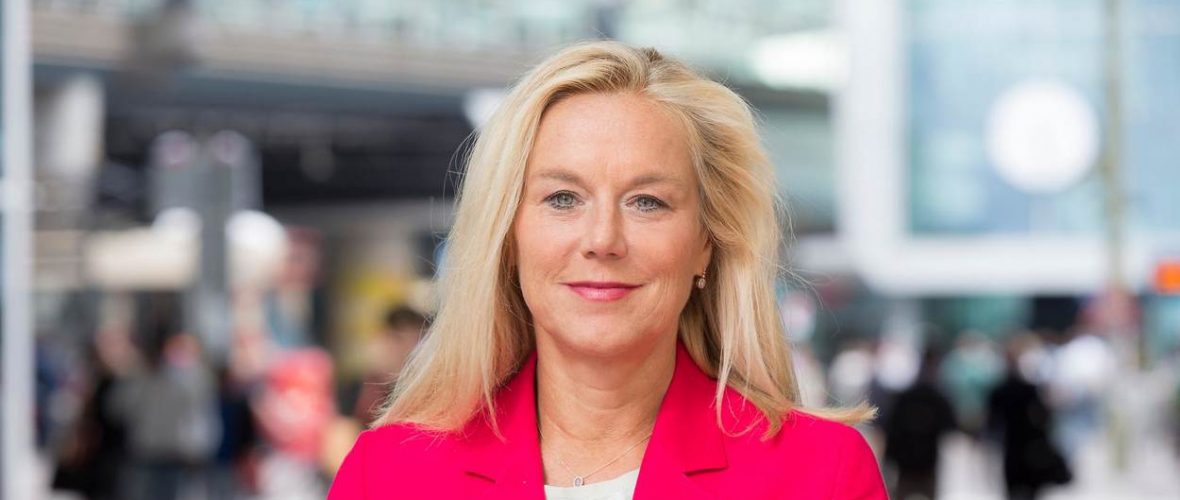
‘Open discussie’ minister Kaag – CIDI zonder lastige critici van Israël

Gisteren 8 september vond in Den Haag een merkwaardige bijeenkomst plaats, georganiseerd door het CIDI in het Mauritshuis. Geen goedkope locatie maar een organisatie die zo naadloos aansluit bij de Israëlische propaganda kan het wat breder laten hangen dan organisaties die niet de zegen van Jeruzalem hebben.
Wantrouwen
Het CIDI had minister Kaag uitgenodigd voor een gesprek, tegen de achtergrond van het wantrouwen bij de achterban van het CIDI tegen de persoon van Kaag. Minister Kaag is getrouwd met een Palestijn, een voormalig PLO-politicus. In Kaag’s carrière zit bovendien een periode die een rechtgeaarde zionist extra wantrouwig maakt. Zij was vertegenwoordiger van de VN in Libanon, een land waar leger en luchtmacht van Israël veertig jaar lang dood en verderf hebben gezaaid. Om het gezellig te maken had het CIDI zelf 120 mensen uitgenodigd. De minister ‘mocht’ ook relaties uitnodigen; daaronder waren twee mensen van The Rights Forum, de voorzitter van Een Ander Joods Geluid en verder de oud-journalist en blogger Maarten-Jan Heijmans, in docP-kringen welbekend. Deze gasten weigerde CIDI omdat zij ‘het CIDI voortdurend aanvallen en zwart maken’. Minister Kaag overwoog hierop de hele zaak af te blazen, maar besloot uiteindelijk toch aan de CIDI-eis te voldoen omdat: „Een volledige annulering van de CIDI-bijeenkomst en de daaropvolgende discussie zou een inhoudelijk debat onmogelijk hebben gemaakt.”
Kaag krijgt zaal plat
Uit het NRC-verslag blijkt dat Sigrid Kaag een wantrouwige zaal ‘plat’ kreeg door het persoonlijke niet uit de weg te gaan. De volgende passage mag niet onvermeld blijven:
‘Er is bijna een uur voorbij als een vrouw in het publiek er een vraag over stelt. Ze zegt eerst hoe „aangenaam verrast” ze was door Kaags toespraak – over armoede, klimaat, ongelijkheid, veiligheid. Dan: „Ik ben even benieuwd. U bent uit een gemengd huwelijk. Welk gedachtengoed was de leidraad in de opvoeding van uw kinderen?” In de zaal klinkt zacht commentaar. Dit is wel heel direct. Kaag reageert kribbig. „Nou, dit gaat misschien meer over uw eigen opvoeding dan die van mij.” Er wordt gelachen. Kaag gaat door: „Ik zag laatst interessante tweets. Ik moest bewijzen dat ik geen moslim ben. Oké, dat ben ik niet. Ten tweede: mijn man is geboren in de islam, maar is al zo lang overtuigd atheïst. Maar hij vond het oké dat ik de kinderen liet dopen.” De belangrijkste gast op de begrafenis van haar schoonvader, zegt ze ook, was zijn Joodse vriend. „Die ook de eerste lening heeft gegeven aan mijn man voor het openen van zijn tandartspraktijk in Jeruzalem. Dat is het gedachtengoed.” Er klinkt hard applaus.’
Naast NRC maken nogal wat media melding van deze avond met een positief oordeel over Kaag. Op de website van CIDI is er niets over deze avond te vinden.
De redactie

https://www.docp.nl/open-discussie-minister-kaag-cidi-zonder-lastige-critici-van-israel/

De Zionistische Meute 19

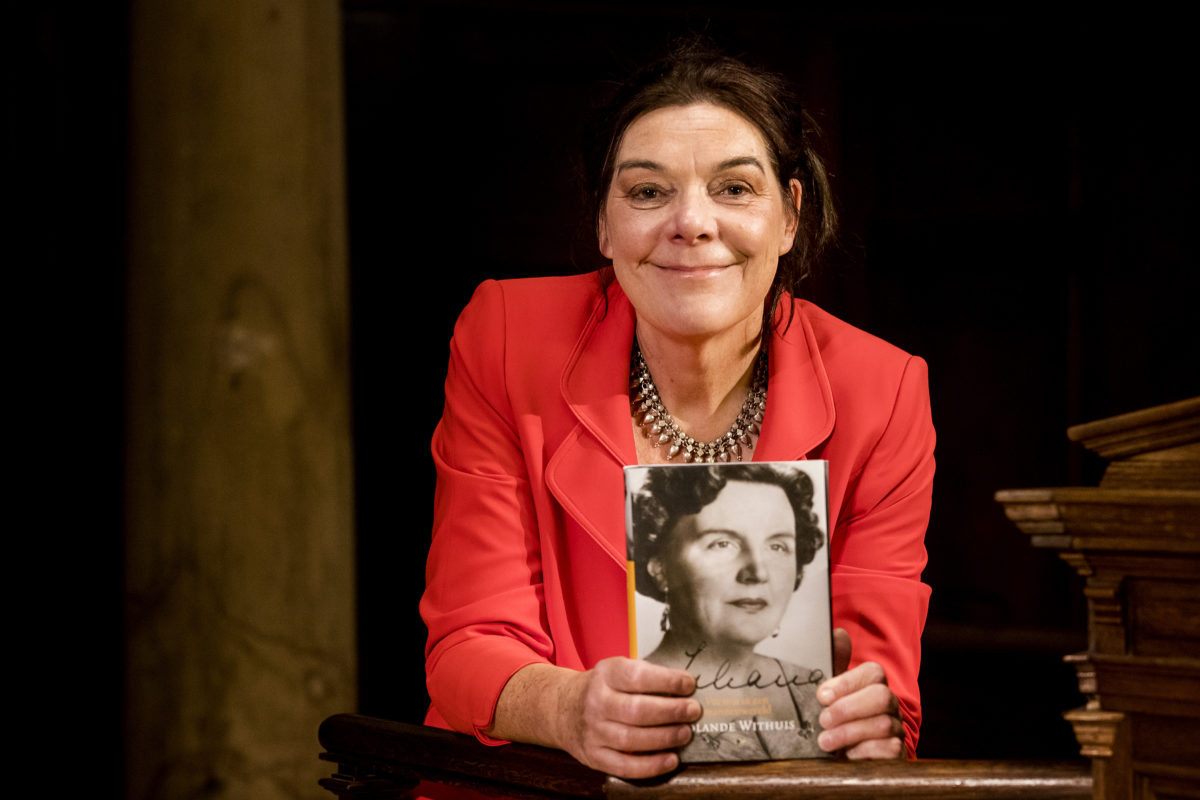
Op zijn Facebook-Site verwijst Constant Vecht, die zichzelf typeert als ‘half-jood,’ naar een opiniërend artikel van de sociologe Jolande Withuis in NRC Handelsblad van vrijdag 6 september 2019. Onder de ouderwets aandoende ideologische typering ‘Alleen al aan zijn woorden herken je de vijand,’ een variant van de communistische kwalificatie ‘als een fascist ademt liegt hij,’ merkt Withuis het volgende  op: 

Mijn afscheid van het communisme betekende dat ik mensen steeds meer ging zien als individu en steeds minder als exemplaar van een of andere categorie, van een soort. Zonder die fundamentele omslag had ik nooit biograaf kunnen worden. Dat de biografie tegenwoordig ook in Nederland bloeit is te danken aan de individualisering, secularisering, ontzuiling en ont-ideologisering van de afgelopen decennia.

Identiteitspolitiek volgt de omgekeerde weg. Identiteitspolitiek is een nieuwe vorm van ideologische groepsdwang. Zoals communisten op grond van iemands zogenaamde ‘klassenpositie’ meenden te weten wat die persoon voelde, dacht en wilde, zo spijkert identiteitspolitiek mensen vast op hun afkomst in plaats van ze te stimuleren zich daarvan los te maken.

Identiteitspolitiek gaat niet uit van zelfbestemming, maar van een gegeven identiteit. Mensen worden ongevraagd en desnoods tegen hun zin ondergebracht in een collectief. Wie blank is wordt geacht ‘wit’ te denken en te voelen, hetzelfde geldt voor wie zwart is of vrouw of man of homo. Het vermogen tot zelfstandig denken en handelen en de vrijheid je los te maken van een dergelijke indeling, worden ontkend. En wie zich toch vrijmaakt wordt gestraft. Die is een ‘bounty,’ een collaborateur…

Het is alleszins prijzenswaardig dat nu ook de feministe Withuis, wier ‘kritische standpunten over de islam’ een ‘controverse’ opriepen, beseft dat ‘identiteitspolitiek mensen vast[spijkert] op hun afkomst.’ Zij voegt hieraan toe:

Bovenal dank ik aan mijn communistische opvoeding een fijne neus voor al wat riekt naar totalitarisme. Identiteitspolitiek doet het voorkomen alsof het vanzelf spreekt dat iemands huidskleur, geloof, sekse of seksuele smaak zijn totale wezen vormt. Maar identiteiten zijn fluïde en kunnen door de tijd heen veranderen. Mensen zijn ‘van alles’: ze zijn zwart, vrouw, directeur, lesbisch, dik, bejaard, kankerpatiënt en weduwe. Wat van dat al zij ervaren als hun essentie, staat niet vast en zal in de loop van hun leven variëren. Welk van alle mogelijke identiteiten het meeste geluk of ongeluk brengt, verschilt per persoon.

Identiteitspolitiek is ideologie en ideologie maakt blind. Ideologie maakt blind voor de feiten omdat mensen hun ervaringen en observaties interpreteren binnen een vooraf vaststaand denkkader. De teloorgang van christendom en marxisme maakte de weg vrij voor onze individuele vrijheid. Dat is een kostbare verworvenheid.

Juist omdat ik het met mevrouw Withuis eens ben dat ‘ideologie blind [maakt]’ verbaast mij haar bewering dat ‘de teloorgang van christendom en marxisme de weg’ heeft vrijgemaakt ‘voor onze individuele vrijheid.’ De postmoderne massamens zit immers gevangen in het neoliberale totalitarisme met zijn omvangrijke bureaucratie en macht in handen van een kleine elite. Al in de jaren vijftig signaleerde de prominente Amerikaanse socioloog C. Wright Mills vijf overkoepelende sociale problemen in de westerse maatschappij:

1) Alienation; 2) Moral insensibility; 3) Threats to democracy; 4) Threats to human freedom; and 5) Conflict between bureaucratic rationality and human reason. Like Marx, Mills views the problem of alienation as a characteristic of modern society and one that is deeply rooted in the character of work. Unlike Marx, however, Mills does not attribute alienation to capitalism alone. While he agrees that much alienation is due to the ownership of the means of production, he believes much of it is also due to the modern division of labor.


One of the fundamental problems of mass society is that many people have lost their faith in leaders and are therefore very apathetic. Such people pay little attention to politics. Mills characterizes such apathy as a ‘spiritual condition’ which is at the root of many of our contemporary problems. Apathy leads to ‘moral insensibility.’ Such people mutely accept atrocities committed by their leaders. They lack indignation when confronted with moral horror; they lack the capacity to morally react to the character, decisions, and actions of their leaders. Mass communications contributes to this condition, Mills argues, through the sheer volume of images aimed at the individual in which she ‘becomes the spectator of everything but the human witness of nothing.’

Mills relates this moral insensibility directly to the rationalization process. Our acts of cruelty and barbarism are split from the consciousness of men — both perpetrators and observers. We perform these acts as part of our role in formal organizations. We are guided not by individual consciousness, but by the orders of others. Thus many of our actions are inhuman, not because of the scale of their cruelty, but because they are impersonal, efficient, and performed without any real emotion.

Mills believed that widespread alienation, political indifference, and economic and political concentration of power are all a serious threat to democracy. Finally, Mills is continually concerned in his writings with the threat to two fundamental human values: ‘freedom and reason.’ Mills characterizes the trends that imperil these values as being ‘co-extensive with the major trends of contemporary society.’ These trends are, Mills states throughout his writings, the centralization and enlargement of vast bureaucratic organizations, and the placing of this extraordinary power and authority into the hands of a small elite.


Mills karakteriseerde in zijn boek The Sociological Imagination (1959) het westerse systeem als ‘rationality without reason,’ een technocratisch systeem dat zich weliswaar rationeel ontwikkelde, maar waaraan ‘de rede’ ontbrak. De atoombom en de NAVO-doctrine van de Wederzijds Verzekerde Vernietiging zijn hiervan misschien wel de meest aansprekende voorbeelden. Collectieve zelfmoord kan vanzelfsprekend nooit gebaseerd zijn op ‘de rede,’ laat staan op ‘onze individuele vrijheid.’ Het kapitalisme, ook in zijn neoliberale vorm streeft niet naar vrijheid, zoals Jolanda Withuis kennelijk meent, maar naar zo hoog mogelijke winsten, dus niet naar ‘de rede,’ maar juist naar de redeloosheid, de onverzadigbaarheid, de mateloosheid, de begeerte, het driftleven. Het westers systeem vernietigt juist ‘de rede,’ waardoor wij allen onderworpen zijn aan de totalitaire ‘rationaliteit zonder rede.’ Vandaar dat ‘The Power Elite’ in het Westen alle macht naar zich toe heeft weten te trekken, ten koste van de vrijheid van de burger annex consument. Charles Wright Mills schrijft in zijn gelijknamige boek daarover het volgende:

The powers of ordinary men are circumscribed by the everyday worlds in which they live, yet even in these rounds of job, family, and neighborhood they often seem driven by forces they can neither understand nor govern. ‘Great changes’ are beyond their control, but affect their conduct and outlook nonetheless. The very framework of modern society confines them to projects not their own, but from every side, such changes now press upon the men and women of the mass society, who accordingly feel that they are without purpose in an epoch in which they are without power. But not all men are in this sense ordinary. As the means of information and of power are centralized, some men come to occupy positions in American society from which they can look down upon, so to speak, and by their decisions mightily affect (aantasten. svh), the everyday worlds of ordinary men and women. They are not made by their jobs; they set up and break down jobs for thousands of others; they are not confined by simple family responsibilities; they can escape. They may live in many hotels and houses, but they are bound by no one community. They need not merely ‘meet the demands of the day and hour’; in some part, they create these demands, and cause others to meet them. Whether or not they profess their power, their technical and political experience of it far transcends that of the underlying population. (What Jacob Burckhardt said of ‘great men,’ most Americans might well say of their elite: ‘They are all that we are not’). 

The power elite is composed of men whose positions enable them to transcend the ordinary environments of ordinary men and women; they are in positions to make decisions having major consequences. Whether they do or do not make such decisions is less important than the fact that they do occupy such pivotal positions: their failure to act, their failure to make decisions, is itself an act that is often of greater consequence than the decisions they do make. For they are in command of the major hierarchies and organizations of modern society. They rule the big corporations. They run the machinery of the state and claim its prerogatives. They direct the military establishment. They occupy the strategic command posts of the social structure, in which are now centered the effective means of the power and the wealth and the celebrity which they enjoy. The power elite are not solitary rulers. Advisers and consultants, spokesmen and opinion-makers are often the captains of their higher thought and decision. Immediately below the elite are the professional politicians of the middle levels of power, in the Congress and in the pressure groups, as well as among the new and old upper classes of town and city and region. Mingling with them, in curious ways which we shall explore, are those professional celebrities who live by being continually displayed but are never, so long as they remain celebrities, displayed enough. If such celebrities are not at the head of any dominating hierarchy, they do often have the power to distract the attention of the public or afford sensations to the masses, or, more directly, to gain the ear of those who do occupy positions of direct power. More or less unattached, as critics of morality and technicians of power, as spokesmen of God and creators of mass sensibility, such celebrities and consultants are part of the immediate scene in which the drama of the elite is enacted. But that drama itself is centered in the command posts of the major institutional hierarchies…

[T]hose who feel, even if vaguely, that a compact and powerful elite of great importance does now prevail in America often base that feeling upon the historical trend of our time. They have felt, for example, the domination of the military event, and from this they infer that generals and admirals, as well as other men of decision influenced by them, must be enormously powerful. They hear that the Congress has again abdicated to a handful of men decisions clearly related to the issue of war or peace. They know that the bomb was dropped over Japan in the name of the United States of America, although they were at no time consulted about the matter. They feel that they live in a time of big decisions; they know that they are not making any. Accordingly, as they consider the present as history, they infer that at its center, making decisions or failing to make them, there must be an elite of power… Behind such men and behind the events of history, linking the two, are the two major institutions of modern society. These hierarchies of state and corporation and army constitute the means of power; as such they are now of a consequence not before equaled in human history — and at their summits, there are now those command posts of modern society which offer us the sociological key to an understanding of the role of the higher circles in America. 

Within American society, major national power now resides in the economic, the political, and the military domains. Other institutions seem off to the side of modern history, and, on occasion, duly subordinated to these. No family is as directly powerful in national affairs as any major corporation; no church is as directly powerful in the external biographies of young men in America today as the military establishment; no college is as powerful in the shaping of momentous events as the National Security Council. Religious, educational, and family institutions are not autonomous centers of national power; on the contrary, these decentralized areas are increasingly shaped by the big three, in which developments of decisive and immediate consequence now occur. Families and churches and schools adapt to modern life; governments and armies and corporations shape it; and, as they do so, they turn these lesser institutions into means for their ends. Religious institutions provide chaplains to the armed forces where they are used as a means of increasing the effectiveness of its morale to kill. Schools select and train men for their jobs in corporations and their specialized tasks in the armed forces. The extended family has, of course, long been broken up by the industrial revolution, and now the son and the father are removed from the family, by compulsion if need be, whenever the army of the state sends out the call. And the symbols of all these lesser institutions are used to legitimate the power and the decisions of the big three. 


The life-fate of the modern individual depends not only upon the family into which he was born or which he enters by marriage, but increasingly upon the corporation in which he spends the most alert hours of his best years; not only upon the school where he is educated as a child and adolescent, but also upon the state which touches him throughout his life; not only upon the church in which on occasion he hears the word of God, but also upon the army in which he is disciplined. If the centralized state could not rely upon the inculcation of nationalist loyalties in public and private schools, its leaders would promptly seek to modify the decentralized educational system. If the bankruptcy rate among the top five hundred corporations were as high as the general divorce rate among the thirty-seven million married couples, there would be economic catastrophe on an international scale. If members of armies gave to them no more of their lives than do believers to the churches to which they belong, there would be a military crisis. Within each of the big three, the typical institutional unit has become enlarged, has become administrative, and, in the power of its decisions, has become centralized. Behind these developments there is a fabulous technology, for as institutions, they have incorporated this technology and guide it, even as it shapes and paces their developments. The economy — once a great scatter of small productive units in autonomous balance — has become dominated by two or three hundred giant corporations, administratively and politically interrelated, which together hold the keys to economic decisions. 

The political order, once a decentralized set of several dozen states with a weak spinal cord, has become a centralized, executive establishment which has taken up into itself many powers previously scattered, and now enters into each and every crany (uithoek. svh) of the social structure. The military order, once a slim establishment in a context of distrust fed by state militia, has become the largest and most expensive feature of government, and, although well versed in smiling public relations, now has all the grim and clumsy efficiency of a sprawling bureaucratic domain. In each of these institutional areas, the means of power at the disposal of decision makers have increased enormously; their central executive powers have been enhanced; within each of them modern administrative routines have been elaborated and tightened up. As each of these domains becomes enlarged and centralized, the consequences of its activities become greater, and its traffic with the others increases. The decisions of a handful of corporations bear upon military and political as well as upon economic developments around the world. The decisions of the military establishment rest upon and grievously affect political life as well as the very level of economic activity. The decisions made within the political domain determine economic activities and military programs. There is no longer, on the one hand, an economy, and, on the other hand, a political order containing a military establishment unimportant to politics and to moneymaking. There is a political economy linked, in a thousand ways, with military institutions and decisions. On each side of the world-split running through central Europe and around the Asiatic rimlands, there is an ever-increasing interlocking of economic, military, and political structures. If there is government intervention in the corporate economy, so is there corporate intervention in the governmental process. In the structural sense, this triangle of power is the source of the interlocking directorate that is most important for the historical structure of the present. 


Kortom, de veronderstelling van Jolanda Withuis dat ‘de teloorgang van christendom en marxisme de weg’ heeft vrijgemaakt ‘voor onze individuele vrijheid’ is even naïef als de gedachte dat met de val van de Sovjet-Unie het kapitalisme de eindoverwinning had binnengesleept, en wij vanaf dat moment ‘het einde van de geschiedenis’ meemaakten, of zoals de neoconservatieve Amerikaanse ideoloog Francis Fukuyama het formuleerde: ‘the end point of mankind's ideological evolution and the universalization of Western liberal democracy as the final form of human government.’ 


In werkelijkheid ontwikkelde de ‘liberale democratie’ zich in toenemende mate in een totalitaire technocratie, waarin een zeer kleine elite wereldwijd de dienst uitmaakt. Als telg uit een communistisch milieu heeft mevrouw Withuis de ideologie van het marxisme ingewisseld voor de ideologische valkuil van het neoliberalisme, wanneer zij met grote stelligheid verkondigt dat door de ‘teloorgang’ van ‘christendom en marxisme de weg’ werd vrijgemaakt ‘voor onze individuele vrijheid.’ Het blijft ook in haar geval onmogelijk zich werkelijk te bevrijden van één of andere ideologie. Kennelijk is het besef dat ‘Identiteitspolitiek een nieuwe vorm [is] van ideologische groepsdwang,’ onvoldoende voor een academisch geschoolde om hieraan daadwerkelijk intellectuele consequenties te verbinden. Als er namelijk één systeem succesvol is geweest in het creëren van ‘ideologische groepsdwang’ dan is het wel de kapitalistische consumptie-ideologie. En toch beseft deze sociologe dit niet. Het is alsof een ideologische overtuiging een ongeneeslijke genetische afdruk achterlaat, waardoor de gelovige hunkert naar een vervangende ideologie om de leegte van het identiteitsverlies op te vullen. Hetzelfde proces zagen we bij de antiekhandelaar Constant Vecht die moeiteloos het universele marxisme inwisselde voor het tribale zionisme. 

Ik vrees dat hier sprake is van één van de grootste gevaren van onze postmoderne tijd. Terwijl de mensheid geconfronteerd wordt met nooit eerder voorgekomen wereldwijde bedreigingen blijkt de mens zich niet te kunnen bevrijden van zijn ideologische ketens. En toch is hij gedwongen dit te doen, wil de soort kunnen overleven. Wanneer Jolanda Withuis beweert dat zij ‘[b]ovenal aan’ haar ‘communistische opvoeding een fijne neus’ heeft ontwikkeld ‘voor al wat riekt naar totalitarisme,’ en zij bewust het totalitaire neoliberale kapitalisme buiten beschouwing laat, dan kan de conclusie niet anders zijn dat zij in het neoliberalisme een nieuwe ideologie heeft gevonden, om daaraan een identiteit te ontlenen. Jammer genoeg heeft zij geen oog voor hetgeen de wereldberoemde socioloog C. Wright Mills al in de jaren vijftig van de vorige eeuw besefte, namelijk dat de westerse samenleving scherp verdeeld is tussen ‘de machtigen en de machtelozen’ en dat door de vervreemding de elite via de massa media erin is geslaagd de massa te manipuleren. Dat is geen marxistische bewering, maar een eenvoudig te constateren concreet feit. Het is tevens de reden waarom de voormalige communiste Jolanda Withuis in NRC Handelsblad met grote stelligheid beweert dat met de ondergang van christendom en marxisme de weg is geopend voor de bevrijding van de ganse mensheid. 


zondag 8 september 2019

WTC Building 7 Lies in Ruins

The Official Story of the Collapse of WTC Building 7 Lies in Ruins

89
SHARES
The author is an economist who served as assistant Treasury secretary in the Reagan administration, was associate editor at the Wall Street Journal, and is a former professor at Georgetown University. (Full bio).
Now retired, he is a prolific columnist for his personal site, with a very large following on the internet. He writes frequently about Russia.

A research team at the University of Alaska’s Department of Civil and Environmental Engineering, led by Dr. Leroy Hulsey, Dr. Zhili Quan, and Professor Feng Xiao, Department of Civil Engineering, Nanjing University of Science and Technology, released yesterday for public comment their findings from a four-year study of the collapse of World Trade Center Building 7 on September 11, 2001. This is the first scientific investigation of the collapse of the building. Here is the conclusion:
Ads by 
Read more
Support Russia Insider - Go Ad-Free!
“The principal conclusion of our study is that fire did not cause the collapse of WTC 7 on 9/11, contrary to the conclusions of NIST and private engineering firms that studied the collapse. The secondary conclusion of our study is that the collapse of WTC 7 was a global failure involving the near-simultaneous failure of every column in the building.”
Notice three things: (1) it has taken 18 years to get a real investigation of the destruction of a building blamed on Muslim terrorists, (2) the only way “near-simultaneous failure of every column in the building” can occur is through controlled demolition, and (3) this remarkable finding is not reported in the presstitute media.
In other words, the study is assigned to the Memory Hole. This is the way The Matrix operates. This is why you need this website. The only purpose of print and TV news is to program you so that you insouciantly go along with the agendas of those who rule you. Those who sit in front of TV news, listen to NPR, or read newspapers are programmed to be mindless automatons.
Note this resolution of the Franklin Square and Munson Fire District
Whereas, the attacks of September 11, 2001, are inextricably and forever tied to the Franklin Square and Munson Fire Department;
Whereas, on September 11, 2001, while operating at the World Trade Center in New York City, firefighter Thomas J. Hetzel, badge #290 of Hook and Ladder Company #1, Franklin Square and Munson Fire Department of New York, was killed in performance of his duties, along with 2,976 other emergency responders and civilians;
Whereas, members of the Franklin Square and Munson Fire Department were called upon to assist in the subsequent rescue and recovery operations and cleanup of the World Trade Center site, afflicting many of them with life-threatening illnesses as a result of breathing the deadly toxins present at the site;
Whereas, the Board of Fire Commissioners of the Franklin Square and Munson Fire District recognizes the significant and compelling nature of the petition before the United States Attorney for the Southern District of New York reporting un-prosecuted federal crimes at the World Trade Center on September 11, 2001, and calling upon the United States Attorney to present that petition to a Special Grand Jury pursuant to the United States Constitution and 18 U.S.C. SS 3332(A);
Whereas, the overwhelming evidence presented in said petition demonstrates beyond any doubt that pre-planted explosives and/or incendiaries—not just airplanes and the ensuing fires—caused the destruction of the three World Trade Center buildings, killing the vast majority of the victims who perished that day;
Whereas, the victims of 9/11, their families, the people of New York City, and our nation deserve that every crime related to the attacks of September 11, 2001, be investigated to the fullest and that every person who was responsible face justice;
Support Russia Insider - Go Ad-Free!
NOW THEREFORE, BE IT RESOLVED that the Board of Fire Commissioners of the Franklin Square and Munson Fire District fully supports a comprehensive federal grand jury investigation and prosecution of every crime related to the attacks of September 11, 2001, as well as any and all efforts by other government entities to investigate and uncover the full truth surrounding the events of that horrible day.


Censored By Zelensky's Thugs

Anatolij Sharij @anatoliisharii Yulia Mendel, Zelenskyy’s former press secretary, against whom Zelenskyy imposed sanctions two days ago, was...