Zoeken in deze blog 🔎🔎

zaterdag 3 april 2021

NRC en het Corrupte Poldermodel

Omdat het poldermodel een eufemisme is voor corruptie: de VVD-er Mark Rutte wordt achtervolgd door schandalen en toch vraagt NRC Handelsblad de typische Hollandse vraag:


Is Ruttes ‘stinkende best’ nog goed genoeg?

Mark Rutte Ruttes politieke overlevingsdrang is enorm en zijn ‘vergeetachtigheid’ heeft hem daarbij vaak gered. Maar nu lijkt er een grens te zijn bereikt.

Toen de formatie nog in volle gang was, op donderdag 22 maart: VVD-leider Mark Rutte verlaat de Stadhouderskamer, waar hij de verkenners Annemarie Jorritsma en Kajsa Ollongren sprak.
Toen de formatie nog in volle gang was, op donderdag 22 maart: VVD-leider Mark Rutte verlaat de Stadhouderskamer, waar hij de verkenners Annemarie Jorritsma en Kajsa Ollongren sprak.Foto ANP PHIL NIJHUIS 

Wopke Hoekstra vond het vreemd, zei hij donderdagavond in de Tweede Kamer. Met Mark Rutte van de VVD hadden de verkenners Kajsa Ollongren en Annemarie Jorritsma het gehad over de problemen bij het CDA, het verlies bij de verkiezingen, over het gebrek aan „stabiliteit” in de partij. Dat stond in het gespreksverslag waardoor ook was onthuld wie over een andere baan voor CDA’er Pieter Omtzigt was begonnen: Rutte. Maar met hém, politiek leider van het CDA, was het allemaal niet besproken alsof het een probleem was in de formatie.

Maar was het vreemd?

Niet voor Mark Rutte. Die wil, weten mensen om hem heen, niets liever dan de hele dag problemen oplossen. Ook als dat de problemen zijn van een andere partij en zijn eigen VVD daar last van heeft. Rutte moet er niet aan denken dat hij premier zou worden van een kabinet zonder het CDA. Dan zou „de wolk van linkse partijen” die hij al eerder noemde als schrikbeeld, nóg groter worden. Eén linkse partij erbij vinden de VVD’ers meer dan genoeg.

Voorkeurstemmen

Nu had het CDA een ongelukkig verlopen verkiezingscampagne achter de rug. Hoekstra maakte fouten, de strategie leek onduidelijk en de nummer twee op de kandidatenlijst, Pieter Omtzigt, was te moe om mee te doen aan de campagne. Maar hij ging wel op pad om reclame te maken voor zijn boek Een nieuw sociaal contract. Op het Binnenhof was het idee dat Omtzigt, vooral door zijn inspanningen voor ouders die waren geraakt door de Toeslagenaffaire, misschien meer voorkeurstemmen zou krijgen dan lijsttrekker Hoekstra.

En als iemand wist hoe dat de stabiliteit van je partij onderuit kon halen, was het Mark Rutte.

In 2006, bij zijn eerste Tweede Kamerverkiezingen als lijsttrekker van de VVD, had nummer twee, Rita Verdonk, bijna zeventigduizend stemmen meer gehaald dan hijzelf. In de parlementaire geschiedenis van Nederland was dat niet eerder voorgekomen.

Net als Omtzigt had Verdonk zelf ook lijsttrekker willen worden. Haar succes bij de verkiezingen bewees, vond ze, dat dat ook veel beter zou zijn geweest voor de partij – onder Ruttes leiding had de VVD zes zetels verloren. In interviews maakte ze duidelijk wat ze van Rutte vond: een zwakke leider. Medewerkers hoorden haar in ruzies met Rutte een keer roepen: „Negen! Negen van deze stoelen hier zijn van mij.” De VVD had negen van de 22 zetels te danken aan háár kiezers.

In september 2007 zette Rutte haar uit de fractie, tot woede van een flink deel van de achterban. De Telegraaf kondigde zijn ondergang al aan: „Vaarwel Mark”. Op een partijcongres in Veldhoven, in Noord-Brabant, leek het erop dat hij zou worden weggestuurd – er was een motie van wantrouwen tegen hem ingediend – en Rutte rekende daar zelf ook op. Tegen een naaste medewerker zei hij op de ochtend van het congres dat ze er samen nog „tot het laatste moment” van moesten „genieten”. Want ook de dieptepunten hoorden bij de politieke geschiedenis waar hij al vanaf de middelbare school zo graag zelf een rol in wilde spelen.

Lees ook: Al in de brugklas volgde Mark Rutte de politiek. Dáár wilde hij aan meedoen

Stinkende best

Maar net als deze week in de Tweede Kamer was Mark Rutte in 2007 niet van plan om het zomaar te laten gebeuren. Hij zei aan het begin van het congres dat hij zijn „stinkende best” ging doen om de leden achter zich te krijgen. En alsof er niets was veranderd: na de aangenomen motie van afkeuring van deze week, midden in de nacht, zei hij dat hij zijn „stinkende best” zou gaan doen om het vertrouwen van mensen terug te winnen.

In 2007 was het gelukt, vooral door een optreden van oud-VVD-leider Frits Bolkestein. Hij had Verdonk eerst gesteund, maar noemde het nu „de beste optie” dat ze eruit was gezet. Bolkestein vond dat het afgelopen moest zijn met de ruzies. De stemming in de zaal was daarna veranderd, Rutte kon blijven.

Maar Verdonk was lang niet Ruttes enige probleem. Twee jaar later, na ophef over zijn idee om het ontkennen van de Holocaust niet langer strafbaar te maken, stond de VVD in de peilingen op 12 zetels en was het partijvoorzitter Ivo Opstelten die maar net kon voorkomen dat het hoofdbestuur Rutte aan de kant zette. Hij was al drie jaar partijleider en er waren nog maar weinig VVD’ers die dachten dat het nog iets zou worden met Rutte.

Maar net als nu was er voor hem geen logische opvolger. En een jaar later, in 2010, was alles anders: na een slimme verkiezingscampagne en hulp van partijgenoten die Rutte leerden om het alleen nog maar over economie en veiligheid te hebben, werd de VVD voor het eerst de grootste partij van Nederland.

Ook als premier maakte Rutte dieptepunten mee die net zo goed tot zijn politieke einde hadden kunnen leiden. Er was de opstand in de VVD nadat hij in de formatie van Rutte II, met de PvdA in 2012, de ziektekostenpremie inkomensafhankelijk had willen maken. Je had de gebroken beloften uit de campagne van 2012 – over de hypotheekrenteaftrek, de Europese steun aan Griekenland, de duizend euro voor elke werkende Nederlander – en de mislukte afschaffing van de dividendbelasting in Rutte III.

Politiemissie Kunduz

Rutte kwam elke keer met excuses, beloofde beterschap. En het leek elke keer weer te werken. In maart van dit jaar won hij voor de vierde keer de Tweede Kamerverkiezingen.

De macht leek in die tien jaar steeds vanzelfsprekender te worden voor Rutte. In 2011 bemoeide hij zich intensief met GroenLinks toen hij de politiemissie in de Afghaanse provincie Kunduz wilde regelen met steun van die partij – gedoogpartner PVV moest er niets van hebben. Rutte ging thuis langs bij een medewerker van Jolande Sap, in die tijd GroenLinks-leider, om met Sap te bespreken hoe haar partij de missie kon steunen.

Zo redde hij in de zomer van 2017 ook de formatie van zijn derde kabinet: hij ging langs bij de ChristenUnie, in het huis van een fractiemedewerker, om van de Kamerleden te horen wat hun grootste problemen waren in de onderhandelingen over medische ethiek.

En precies zo leek Rutte de interne problemen van het CDA te willen oplossen om een stabiel kabinet tot stand te brengen: Rutte IV. Hij had het idee van een ministerspost voor Pieter Omtzigt ook al met Hoekstra besproken en deed dat opnieuw in zijn gesprek met de verkenners Ollongren en Jorritsma. Naar eigen zeggen zonder het te onthouden – hij vond het, zei hij in de Tweede Kamer, niet heel bijzonder: zijn partij gunde Omtzigt een plek in het kabinet. Alsof zijn partij daar over ging.

Ruttes geheugen

Rutte is een man van vaste gewoontes en methodes. Als zijn bemoeienis met partijen succes heeft, zo blijkt, gaat hij daar graag mee door. Maar kun je dat ook doen met de uitleg die je geeft als het misloopt?

Op donderdagavond konden collega’s van andere partijen het eerst nauwelijks geloven dat Rutte wéér zei dat zijn geheugen hem in de steek had gelaten. Net als bij het memo over de dividendbelasting voor grote bedrijven, uit de formatie van 2017, dat er toch bleek te zijn, en bij de burgerdoden na een Nederlands bombardement in Irak in 2015. Het nieuws over Irak kwam pas jaren later naar buiten. Maar het gesprek met de verkenners was net geweest. Hoe kun je dan vergeten zijn dat je het over een kabinetspost voor Omtzigt hebt gehad, en dat dat ‘de functie elders’ was?

Was dit niet een kwijtgeraakte herinnering te veel?

Rutte noemde het zelf „verklaarbaar”: de VVD wilde gewoon graag weer met het CDA regeren en die partij had het moeilijk. Dan denk je mee. Hij kwam opnieuw met excuses, beloofde beterschap. In de Tweede Kamer maakte het geen indruk meer, uit een peiling van EenVandaag bleek vrijdagmiddag dat het vertrouwen van kiezers in hem in één week ruim was gehalveerd: van 54 procent naar 25 procent.

‘Platgeluld’

In de tijd dat Rutte eind jaren tachtig voorzitter was van de liberale jongerenclub JOVD waren er al JOVD’ers die vonden dat ze door hem werden „platgeluld” als er problemen waren. En er waren oud-JOVD’ers die daar steeds weer aan dachten als Rutte, jaren later, de ene na de andere politieke crisis als premier overleefde, en het ene na het andere schandaal in zijn partij. Zou er een dag komen dat de kiezers ook vonden dat ze door hem werden platgeluld? En hem dus niet meer geloofden?

Op vrijdagochtend, op het Binnenhof voor de deur van zijn ministerie, begon Rutte tegen journalisten over de verkiezingsuitslag. De afgelopen jaren was er volgens hem van alles goed gegaan en ook van alles verkeerd, de uitslag noemde hij „de neerslag van het gemiddelde”. Zo ging dat in de politiek. En als de motie van wantrouwen wél door een meerderheid van de Tweede Kamer was aangenomen, zei hij, dan hadden de journalisten hem nu voor de deur van de VVD-fractiekamer kunnen interviewen. „Dan had ik mij beperkt tot de functie van fractievoorzitter.”

Niet eerder was Rutte in zijn lange politieke carrière zo beschadigd uit een crisis gekomen. Maar de politiek verlaten? Dáár had hij deze week geen moment aan gedacht.

Hij liep weg en zwaaide vrolijk naar de groepjes mensen die stonden te kijken. Ze zwaaiden terug, er waren er die voor hem klapten. Een paar mensen riepen „boehoe!”.

https://www.nrc.nl/nieuws/2021/04/02/is-ruttes-stinkende-best-nog-goed-genoeg-a4038394?utm_source=SIM&utm_medium=email&utm_campaign=nrcvandaag&utm_content=&utm_term=20210403

Boycot Israel's Terror


 Boycot CAF 

Stuur een e-mail aan NS, GVB en Openbaar Vervoer Utrecht: werk niet mee aan annexatie en mijdt CAF!

Het BNC heeft openbaar vervoersinstellingen in diverse Europese landen -waaronder Nederland- deze week een brief aangeboden van twee Palestijnse vakbondsfederaties. In deze brief worden ze opgeroepen om de banden met CAF te verbreken zolang het betrokken blijft bij Israëls’ illegale apartheids- en annexatieproject in bezet Palestijns gebied, en er zolang geen contracten mee af te sluiten.

Deze brief wordt ondersteund door een e-mail actie gericht aan de betrokken openbaar vervoersinstanties, hier in Nederland de NS, het GVB en het Utrechtse openbaar vervoer. Maak deze instanties duidelijk waarom ze CAF niet als een samenwerkingspartner kunnen blijven accepteren en er geen contracten meer mee af moeten sluiten zolang het betrokken blijft bij de Jerusalem Light Rail en daarmee de rechten van de Palestijnen helpt vertrappen, en stuur je mail! Lees meer of klik hieronder om direct je mail te sturen.

Stuur nu jouw mail! 


 #FouteMedjoel 

Campagne Israelische Medjoel is Foute Boel

Afgelopen zaterdag is onze campagne "Israelische Medjoel is Foute boel" van start gegaan met een actie op de Rotterdamse markt. Zondag is geflyerd op de Beverwijkse Bazar. Wil je flyeren of stickeren in jouw woonplaats? Mail dan naar Jose@docp.nl om flyers en/of stickers te bestellen! Voor meer informatie over welke dadels fout zijn, materialen en meer, check onze pagina Israelische medjoel is foute boel

De actuele lijst met verkoopadressen van Palestijnse dadels vind je op planteenolijfboom.nl


 BNC Verklaring 

Reactie vanuit het Palestijnse maatschappelijk middenveld op de ‘Jerusalem Declaration on Antisemitism’

Het Palestijnse BDS National Committee heeft een kritische reactie geformuleerd op de zogeheten ‘Jerusalem Declaration on Anti-semitism’ (JDA), die door joodse intellectuelen, waaronder vele academici, uit Israel zelf en uit verschillende Westerse landen is opgesteld en op donderdag 25 maart is uitgekomen. Op onze website de volledige verklaring én een samenvatting.


Ja, ik doneer! 


 #STOPG4S 

Leden van het Europees Parlement eisen beëindiging van EU contracten met G4S

Een groep van 23 EP-leden schreef aan de voorzitter van het Europees Parlement, David Maria Sassoli, over het contract van de instelling met het Britse multinationale beveiligingsbedrijf G4S.

Dit partijoverschrijdende initiatief is de derde keer dat EP-leden uit het hele politieke spectrum hebben opgeroepen om geen geld toe te kennen aan G4S.

"Het is onaanvaardbaar dat de Europese instellingen contractuele relaties hebben met een bedrijf dat zich bezighoudt met het verlenen van steun aan activiteiten die een schending van de mensenrechten vormen. “

Ondanks de rol van G4S bij mensenrechtenschendingen in Palestina en de rest van de wereld, huurt de EU G4S in om veiligheidsdiensten te leveren aan meer dan twee dozijn overzeese EU-delegaties, zoals in Gabon, Gambia, Sierra Leone, Indonesië, Libanon, Oekraïne en Taiwan.

Hiermee knijpt de EU een oogje dicht voor de rol die G4S speelt bij de Israëlische onderdrukking van Palestijnen en bij mensenrechtenschendingen over de hele wereld. Lees verder 


 Palestijnen en Koerden 

Uncomfortable Solidarity; Palestinian and Kurdish cause

In het conflict tussen Israël en de Palestijnen en Turkije met de Koerden, valt op dat Israël openlijk ‘de Koerdische zaak’ steunt en Turkije op haar beurt weer openlijk de Palestijnen. Dit terwijl de ‘eigen minderheden’ juist onderdrukt worden door Turkije en Israël. In Nederland zijn beide conflicten vaak onderwerp van heftige discussies vanuit verschillende perspectieven die bredere solidariteit en bewegingsbouw in de weg staan. Wat zijn vraagstukken en narratieven die perspectief bieden voor zowel de Koerdische en Palestijnse zaak? Deze interessante discussie met oa. onze bestuurder Dorien Ballout is hier terug te kijken


Ja, ik doneer! 

Wil je de BDS campagne belastingvrij steunen dmv periodieke gift?


De geweldloze BDS-beweging voor vrijheid, rechtvaardigheid en gelijkheid wordt gesteund door de absolute meerderheid in de Palestijnse samenleving. BDS verwerpt alle vormen van racisme en discriminatie.

We Need Diplomacy, Not War.


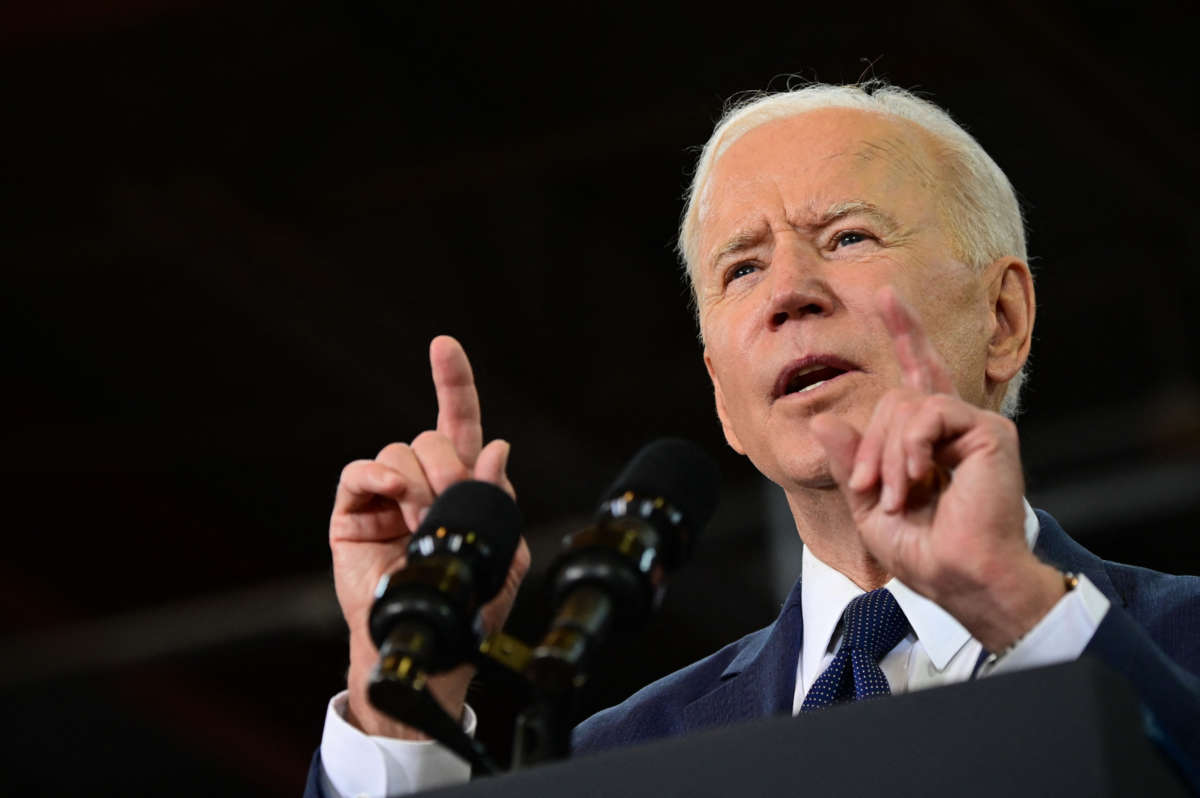
We Need Diplomacy, Not War. Time to Ramp Up the Pressure on Biden.

Two tidbits of note regarding the United States and its well-fed war machine, the first regarding a familiar problem child: the F-35 Joint Strike Fighter. Coming in at an overall and still-growing project cost of $1.7 trillion, the F-35 was intended to be a kind of flying junk drawer, filled to bursting with neat technological tools to solve any dilemma a hypersonic weapon of mass destruction may encounter.

Turns out, as many now know, the F-35 is basically just junk. It has never worked properly, never became the huge sales item the Pentagon was hoping for, and House Armed Services Committee chairman Adam Schiff recently called the whole program a “failure on a massive freaking scale.”

All this was before one of the things shot the shit out of itself in early March. You heard me.

“A Marine Corps F-35B Joint Strike Fighter accidentally shot itself during a practice mission earlier this month,” reports Kyle Mizokami for Esquire, “causing more than $2.5 million in damage. Fortunately, the fighter jet was able to land, and the pilot was unharmed.”

One does not have to be von Clausewitz to grasp the fact that a flying war weapon capable of firing 25-millimeter PGU-32/U Semi-Armor Piercing High Explosive Incendiary-Tracer rounds from a side-mounted GAU-22 four-barrel, 25-millimeter Gatling gun at a rate of 3,000 rounds per minute is a damn dangerous thing to have on hand. The inability to prevent that weapon from destroying itself with one of its own weapons casts deep doubt on its place in the skies over “the battlefields of the future.”

Context, as ever, is king. As the nation wrestles with how to fund the Biden administration’s ambitious and expensive slate of policy proposals, a number of familiar voices have raised the inevitable chorus of “we can’t afford it!” Many of these voices belong to lawmakers who have spent the last several years practically pushing the F-35 down the runway to get it to fly and justify the expenditure. The very existence of hyper-boondoggle programs like the F-35 are a massive testament to the simple fact that we can afford to help people if we choose to. The trick is in the choosing.

Item two regarding the war machine is as purely American as it gets. As a Trump-established May 1 deadline for withdrawing U.S. troops from Afghanistan looms, the same old pushback has returned. “We’ve got to be able to assure the world and the American public that Afghanistan will not be a source of planning, plotting to project terrorist attacks around the globe,” Sen. Jack Reed, chairman of the Senate Armed Services Committee, told reporters last month. “That’s the minimum. I’m not sure we can do that without some presence there.”

Plus, there are all those mineral and natural gas deposits to exploit, all those mines to be dug and pipelines to be laid, all that money to be made.War is a profitable enterprise, though we do not discuss this in polite company… and that’s the funny part: The Pentagon’s newest excuse for staying in Afghanistan is all business. Simply put, they don’t want to get sued if they leave. From CNN:

Despite the signing of the Doha agreement last February that called for a full drawdown of US troops and personnel from Afghanistan by May 1, the Department of Defense issued nearly a billion dollars in contracts to 17 different companies related to work in Afghanistan past the withdrawal date. There are currently some 18,000 contractors in the country, of which 6,350 are American citizens.

With the deadline rapidly approaching and no formal decision from the White House, the future of the contracts, some of which have completion dates in 2023 and beyond, remains unclear, but the Pentagon could potentially have to pay hundreds of millions in settlements or face years of litigation if the US pulls out of the country on schedule or by the end of the year as President Joe Biden suggested is likely.

Please pardon the pun, but this is just too rich. If anyone still doubted that war in the United States is pretty much the biggest business of all, look no further than this report. Like any big contractor, the Pentagon can get sued if it stiffs the subcontractors… but in this case, “stiffing the contractors” means “failing to maintain a violent 20-year military occupation.”

Why bring these two items up? We are less than three months into a new presidential administration. None can argue that things aren’t on their way to being profoundly different now, when it comes to some matters of domestic policy. On foreign policy, the Pentagon and eternal war, however, very little has changed, right down to the rank absurdities that still make John Yossarian fume.

“Clearly what is needed is diplomacy and negotiations on contested matters,” linguist and historian Noam Chomsky tells Truthout, “and real cooperation on such crucial issues as global warming, arms control, future pandemics — all very severe crises that know no borders. Whether Biden’s hawkish foreign policy team will have the wisdom to move in these directions is, for now, at best unclear — at worst, frightening. Absent significant popular pressures, prospects do not look good.”

We have no laurels to rest on with Mr. Biden in the White House. His revival of a 21st century Truman Doctrine of goodwill or humanitarian military intervention around the world sounds good in a speech, but is perilous and expensive in the extreme. In too many ways, it is the same old business in a new wrapper, and even the wrapper ain’t that new.

Mr. Biden must break free of the war-footing inertia that has trapped so many of his predecessors. And we must keep up the pressure to urge him to do so.

vrijdag 2 april 2021

The U.S. As Neoliberal Paradise

 Published on 

by

55 US Corporate Giants Paid $0 in Federal Taxes in 2020 Thanks to 'Gaping' Loopholes

"If you paid $120 for a pair of Nike Air Force 1 shoes, you paid more to Nike than it paid in federal income taxes over the past 3 years," said Sen. Bernie Sanders.


A person holds a sign urging lawmakers to "Tax the Rich" at a protest in New York City on March 29, 2021. (Photo: Erik McGregor/LightRocket via Getty Images)

A person holds a sign urging lawmakers to "Tax the Rich" at a protest in New York City on March 29, 2021. (Photo: Erik McGregor/LightRocket via Getty Images)

For millions of ordinary people in the U.S., 2020 was a painful year in which loved ones and jobs were lost as a result of the Covid-19 pandemic and its devastating economic repercussions. But for many of the country's major corporations, last year was a lucrative one—particularly if they were among the 55 companies that paid $0 in federal income taxes on a combined $40.5 billion in profits, as a new study shows.

"We should be asking bigger questions about a tax system so flawed that it asks next to nothing of profitable corporations that derive great benefit from our economy."
—Matthew Gardner, ITEP

Released Friday, the report is based on the Institute on Taxation and Economic Policy's (ITEP) analysis of 2020 financial reports filed by the country's largest publicly traded corporations. 

Instead of paying a collective $8.5 billion in federal income taxes on last year's profits of $40.5 billion, as mandated by the statutory 21% rate, the 55 companies exploited preexisting loopholes and pandemic-related tax breaks to reduce their tax bills to zero.

Not only did these corporations secure a zero-tax liability, they received a collective $3.5 billion in rebates, bringing the total amount of lost federal revenue to $12 billion. And 26 of them haven't paid a dime for the past three years, a time period in which the GOP's "morally and economically obscene" tax cuts for corporations and wealthy Americans have been in effect.

"We should continue to call on policymakers to address the gaping corporate tax loopholes that make this kind of tax avoidance possible," said Matthew Gardner, a senior fellow at ITEP and an author of the report.

"But in a pandemic year when so many small businesses shuttered and millions of people lost their economic livelihoods," he added, "we should be asking bigger questions about a tax system so flawed that it asks next to nothing of profitable corporations that derive great benefit from our economy—in good and bad economic times."

In the report, Gardner characterized the latest example of tax dodging by profitable companies as part of "a decades-long trend of corporate tax avoidance by the biggest U.S. corporations [that] appears to be the product of long-standing tax breaks preserved or expanded by the 2017 Tax Cuts and Jobs Act (TCJA) as well as the CARES Act tax breaks enacted in the spring of 2020."

The report includes a table listing the profits and effective tax rates of all 55 companies.

Some publicly traded corporations that paid $0 in federal income taxes in the most recent fiscal year, such as Zoom, are not included because they are not yet part of the S&P 500 or Fortune 500. But many of the companies—which represent a variety of industries, including technology, utilities, manufacturing, banking, agriculture, and others—are household names.

Some of the most well-known brands, according to ITEP's analysis, include the following:

  • Food conglomerate Archer Daniels Midland enjoyed $438 million of U.S. pretax income last year and received a federal tax rebate of $164 million.
  • The cable TV provider Dish Network paid no federal income taxes on $2.5 billion of U.S. income in 2020.
  • The delivery giant FedEx zeroed out its federal income tax on $1.2 billion of U.S. pretax income last year and received a rebate of $230 million.
  • The shoe manufacturer Nike didn't pay a dime of federal income tax on almost $2.9 billion of U.S. pretax income in 2020, instead enjoying a $109 million tax rebate.
  • The software company Salesforce avoided all federal income taxes last year on $2.6 billion of U.S. income.

As Gardner wrote, "the biggest and most profitable U.S. corporations have found ways to shelter their profits from federal income taxation" for decades, which ITEP has documented "since the early years of the Reagan administration's misguided tax-cutting experiment."

"A widely cited ITEP analysis of an eight-year period (2008 through 2015) confirmed that federal tax avoidance remained rampant before the TCJA," but now that "most corporations [are] reporting their third year of results under the new corporate tax laws pushed through by President Donald Trump in 2017, it is crystal clear that the TCJA failed to address loopholes that enable tax dodging—and may have made it worse," he added.

According to ITEP, "the companies used a combination of old and new tax breaks to secure a zero-tax obligation." Gardner documented the "familiar" tactics that corporations used to slash their effective federal tax rate on corporate profits:

  • More than a dozen used a tax break for executive stock options to sharply reduce their income taxes last year;
  • At least half a dozen companies used the federal research and experimentation credit to reduce their income taxes in 2020;
  • Tax breaks for renewable energy are part of the tax avoidance scheme for several utility companies and
  • A provision in the TCJA allowing companies to immediately write off capital investments—the most extreme version of accelerated depreciation—helped more than a dozen companies reduce their income tax substantially. 

In addition, Gardner noted, there is "a new factor driving down corporate tax bills: the CARES Act, ostensibly designed to help people and businesses to stay afloat during the pandemic."

While "tax law previously allowed companies to carry back losses to offset profits in two prior years," Gardner wrote that "the TCJA bars companies from doing this (although it still allows companies to carry losses forward to offset profits in future years). However, the CARES Act temporarily restored companies' ability to carry back losses and, incredibly, is more generous than the pre-TCJA rules."

ITEP noted that "the provision's generosity (the act retroactively loosens rules even for losses in years before the pandemic) provides a ripe breeding ground for corporate tax accounting gimmicks." As Gardner pointed out, "some companies used a CARES Act provision to 'carry back' 2018 or 2019 losses to offset profits they reported in prior years, resulting in a rebate that reduced their 2020 taxes, in some cases to less than nothing."

Notably, the publication of ITEP's report coincided with the Biden administration'spush to raise the corporate tax rate to 28% to fund the American Jobs Plan, as its physical and social infrastructure package is called.

"Fortunately," Gardner wrote, "the policy remedies Congress shunned in 2017 remain available today. By paring the tax breaks identified in this report, or by re-introducing some form of a 'minimum tax' requiring profitable companies to pay at least some tax in any profitable year, Congress and President Biden could take a major step toward a fairer and more sustainable tax system."

https://www.commondreams.org/news/2021/04/02/55-us-corporate-giants-paid-0-federal-taxes-2020-thanks-gaping-loopholes?cd-origin=rss&utm_term=AO&utm_campaign=Daily%20Newsletter&utm_content=email&utm_source=Daily%20Newsletter&utm_medium=Email


Truthout Sunday 20/11/2026

  SUNDAY, SEPTEMBER 20, 2026 Walking September 11’s Other Crime Scenes Millions had fled along the highway I had taken. Behind them Iraq was...